Community · Environment

Know Your Trees

Manor Gardens sits in one of the most biodiverse forest belts in South Africa. But it also has a real problem with invasive alien trees crowding out the indigenous species that belong here. Here's how to tell them apart, and what to plant instead.

πŸͺ“ Before you fire up the chainsaw: not every big old tree in your garden is the enemy. That gorgeous winter-flowering giant your granny planted? Almost certainly a Coral Tree, and it's on your side. The one dropping a thousand little berries that the birds go mad for and seedlings sprout everywhere? That might be the problem. Scroll down and have a look before anything gets felled. Your neighbours (and the birds) will thank you.

🌿 Plant these

Indigenous to the Durban area

Well-suited to our soil and climate, and valuable to local birds and insects. Available from most indigenous nurseries in KZN.

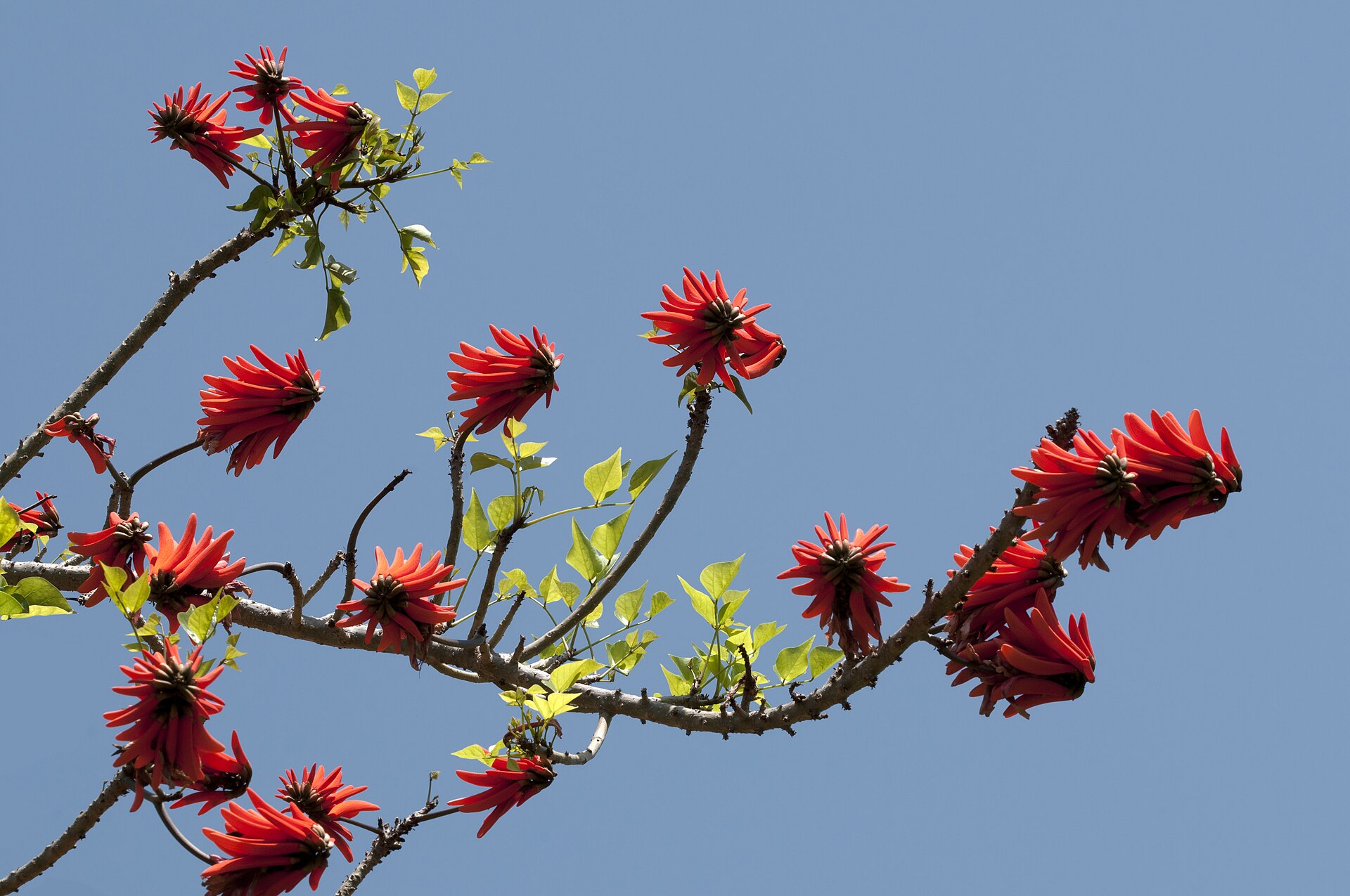
Common Coral Tree
Indigenous

Common Coral Tree

Erythrina lysistemon Β· umSinsi (Zulu), Kanniedood (Afrikaans)

One of Durban's most recognisable winter sights: brilliant scarlet flower spikes appear on bare branches from July to September, before the leaves return. The flowers are a vital nectar source for sunbirds and other pollinators in the lean winter months. Its bright red-and-black seeds ('lucky beans') are a familiar sight on garden paths.
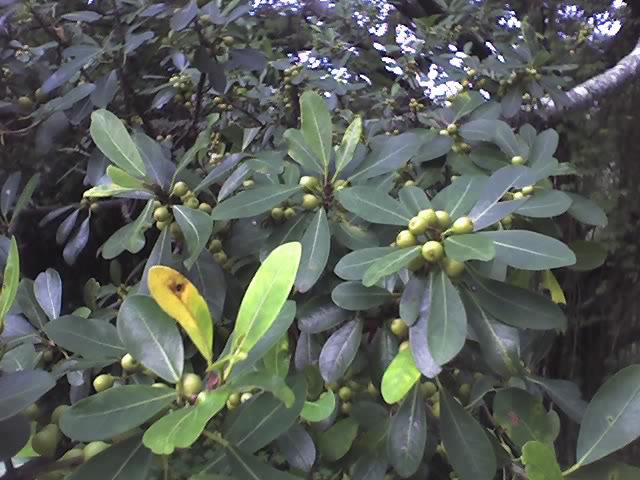
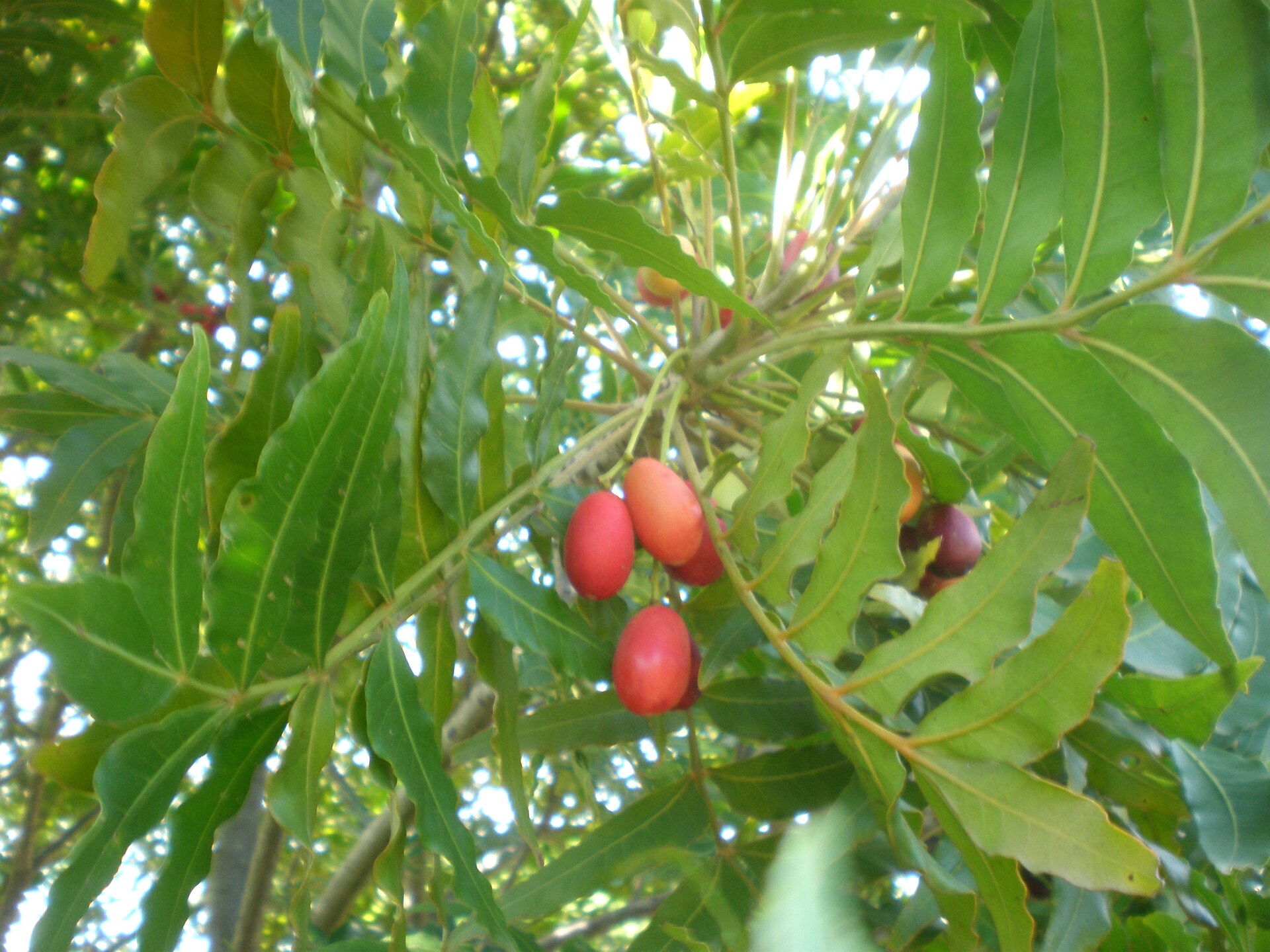
Photo via Wikimedia Commons

Natal Fig
Indigenous

Natal Fig

Ficus natalensis Β· umThombe (Zulu)

A big, generous shade tree with a dense, spreading crown: the kind older Durban gardens were often built around. Its small figs ripen through the year and are a magnet for fruit-eating birds. Give it real room: the roots are vigorous, so it's a tree for a large garden or park setting, not a small courtyard.

Photo via Wikimedia Commons

Wild Plum
Indigenous

Wild Plum

Harpephyllum caffrum Β· umGwenya (Zulu)

A handsome, glossy-leaved evergreen that's become a popular Durban street and garden tree, and for good reason: it's neat, shady, and its tart red fruit makes excellent jam and jelly. Monkeys, bulbuls and mousebirds all compete for the fruit, so expect visitors.

Photo via Wikimedia Commons

Coastal Red Milkwood
Indigenous

Coastal Red Milkwood

Mimusops caffra Β· umThunzi, umKhakhayi (Zulu)

The backbone of Durban's dune forest: a tough, salt-tolerant tree that shrugs off sea wind and shelters more delicate coastal plants beneath it. Protected by law under the National Forest Act, so it may not be cut or damaged without a permit. Its orange fruit is a favourite of the Cape parrot.

Photo via Wikimedia Commons

Fluted Milkwood
Indigenous

Fluted Milkwood

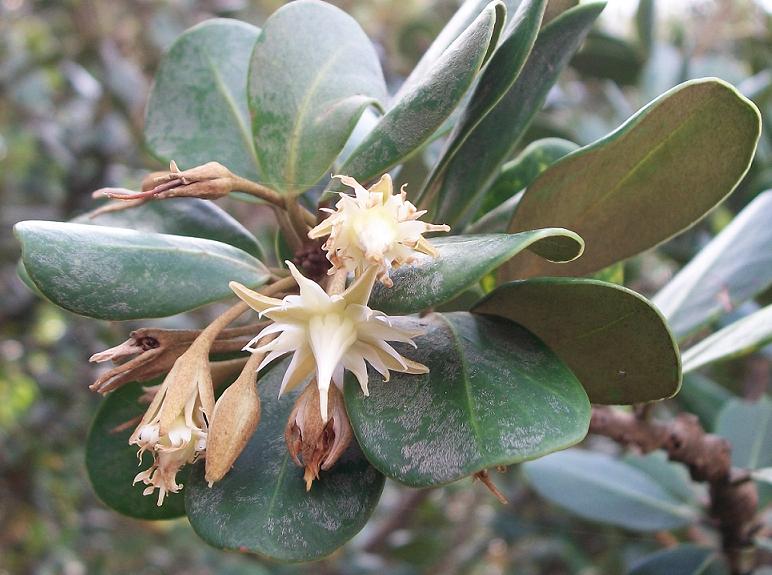
Donella viridifolia Β· bosstamvrug (Afrikaans)

A genuine Pigeon Valley resident, named for the fluting at the base of its trunk. A large, glossy-leaved evergreen of KwaZulu-Natal's coastal forests, with white flowers clustered along the branches and small round fruit that ripen yellow, popular with baboons and fruit-eating birds.

Photo via Wikimedia Commons

Forest Natal Mahogany
Indigenous

Forest Natal Mahogany

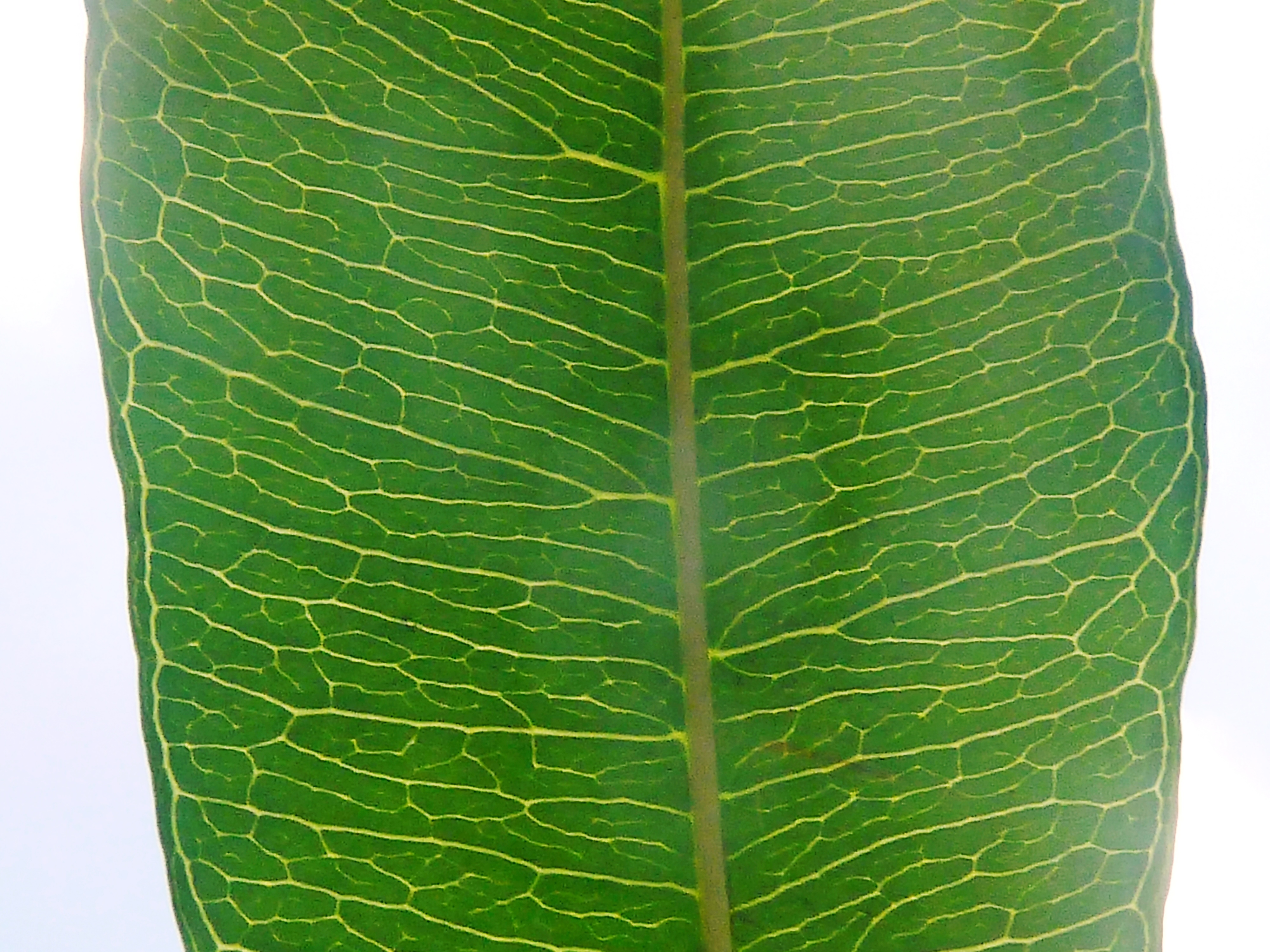
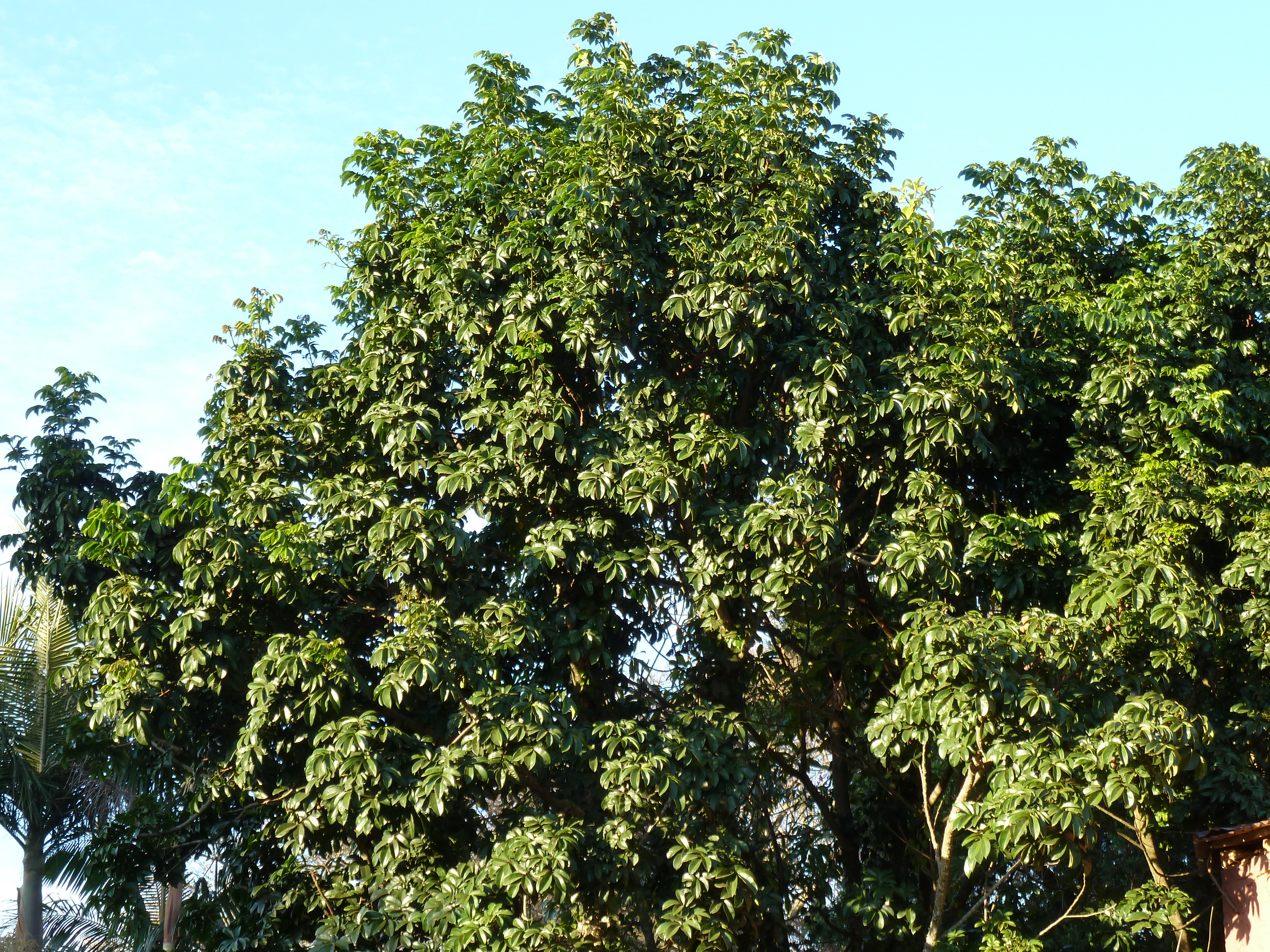
Trichilia dregeana Β· umKhuhlu, uMathunzini (Zulu), rooiessenhout (Afrikaans)

One of the most impressive trees of KZN's coastal and montane forests: a dense, dome-shaped evergreen canopy that can reach 35m+, prized as a shade tree and for its glossy dark foliage. Its fruit splits open to reveal black seeds wrapped in a bright red aril, a favourite of birds and baboons. Also called Thunder Tree locally.

Photo via Wikimedia Commons

🚫 Remove these

Declared invasive in KwaZulu-Natal

Listed under South Africa's National Environmental Management: Biodiversity Act (NEMBA). Category 1a/1b species must be controlled or removed by law; Category 2 requires a permit to keep.

Triffid Weed
NEMBA Category 1b

Triffid Weed

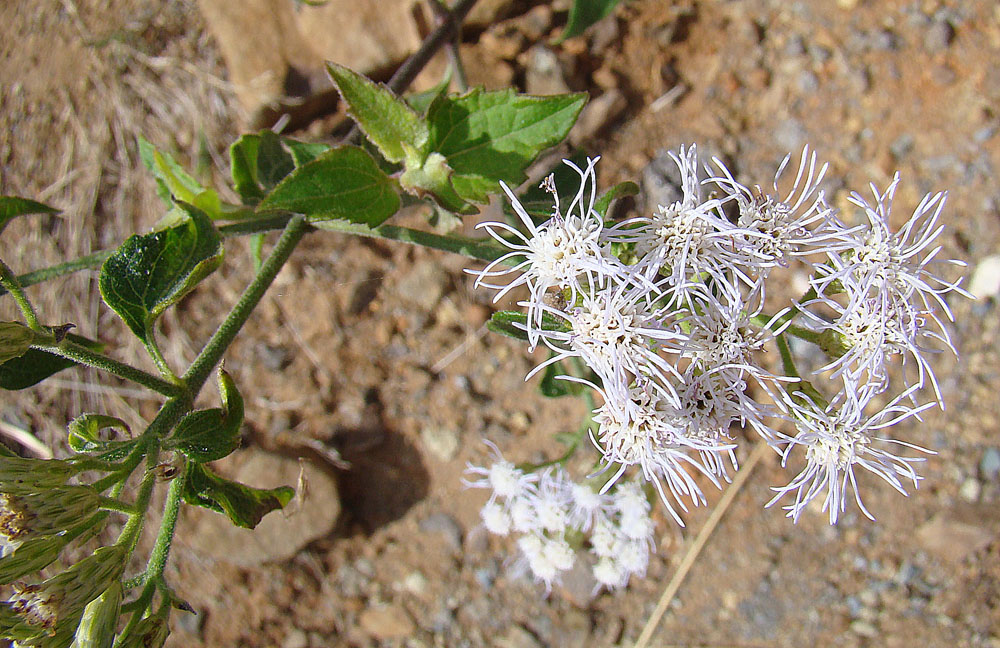
Chromolaena odorata

One of the most aggressive invaders in the Durban area, and genuinely confirmed nearby (Pinetown, La Lucia, Umhlanga). A scrambling shrub that can reach 4m+, forming dense, near-impenetrable stands that smother everything beneath them. Crushed leaves smell strongly of paraffin or turpentine. Small whitish or pale mauve flower clusters appear in winter. Removal is genuinely hard work: the roots must be dug out, since cut stems simply resprout.

Photo via Wikimedia Commons

Bugweed
NEMBA Category 1b

Bugweed

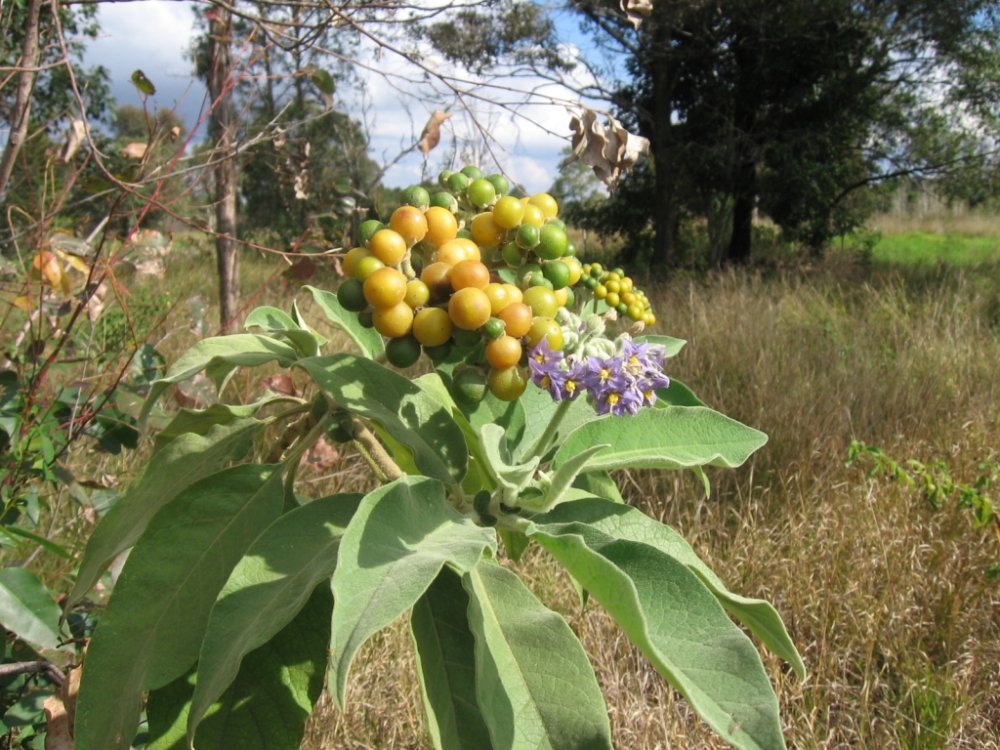
Solanum mauritianum

A South American shrub-tree with large, felty grey-green leaves and small purple flowers, spread fast by birds eating its yellow berries. It crowds out young indigenous trees at forest margins and along rivers. By law it must be controlled or removed. Small plants can be pulled by hand; larger ones need to be cut and the stump treated.

Photo via Wikimedia Commons

Black Wattle
NEMBA Category 2

Black Wattle

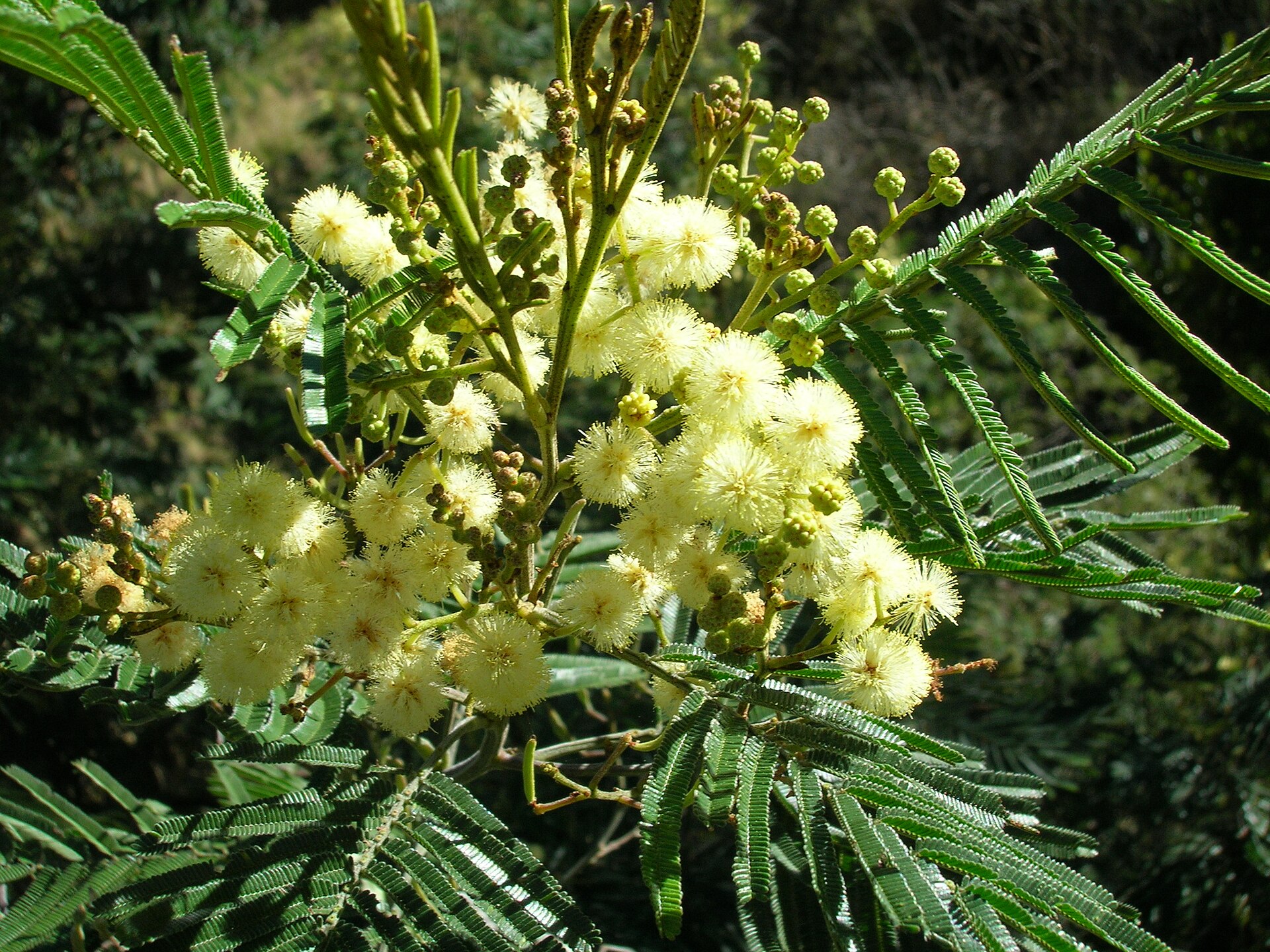
Acacia mearnsii

An Australian tree with feathery, fern-like leaves and fragrant cream flower balls (Oct–Dec). It grows fast, drinks heavily, and forms dense stands that push out indigenous vegetation along rivers and disturbed ground. It is one of KwaZulu-Natal's five most dominant invasive species.

Photo via Wikimedia Commons

Lantana
NEMBA Category 1b

Lantana

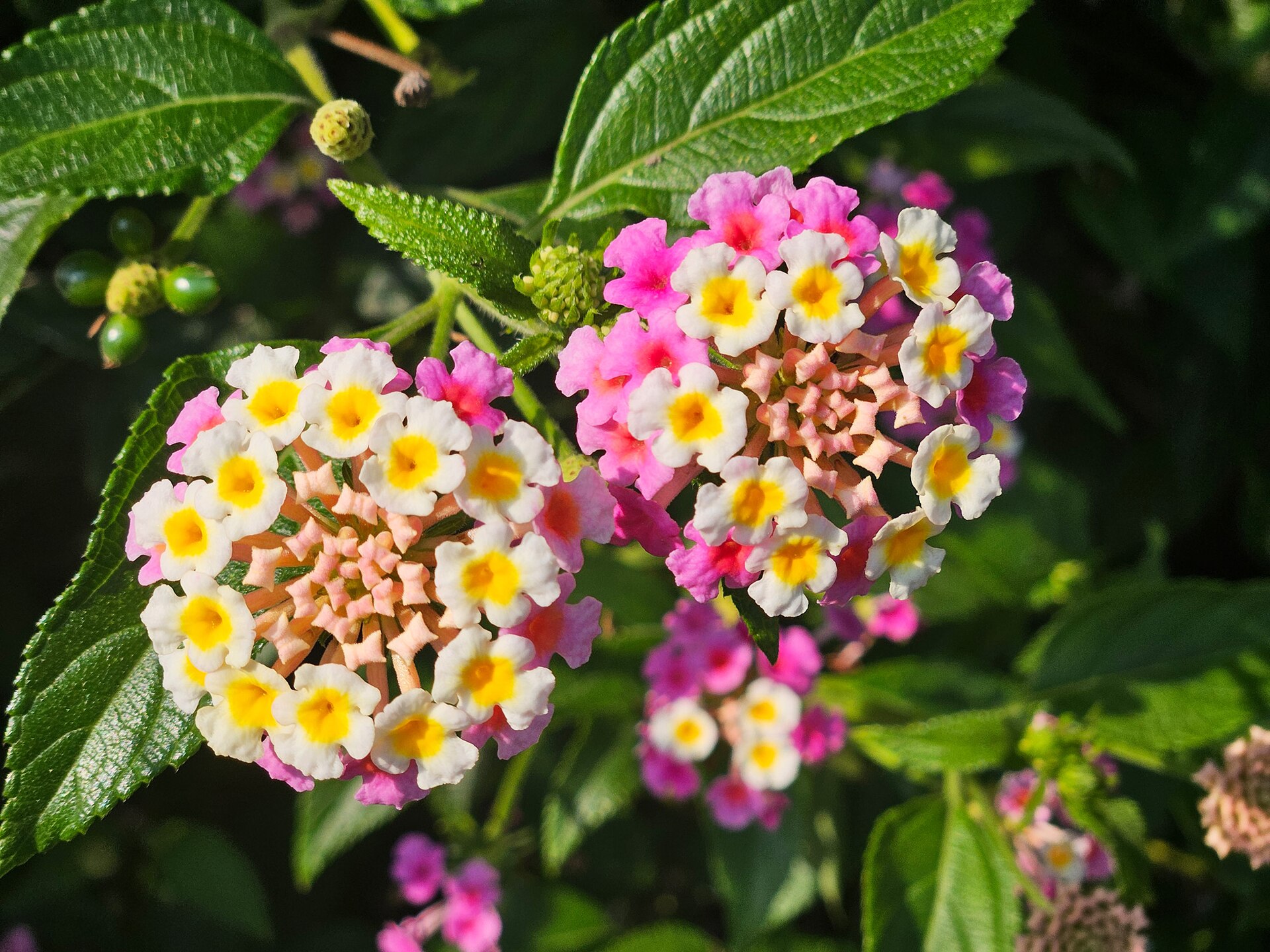
Lantana camara

A woody shrub loved for its clusters of orange, pink and yellow flowers, and one of the most widespread declared invaders in South Africa. It forms dense, thorny thickets that smother indigenous groundcover, and its berries are toxic to livestock and children. Must be controlled or removed under NEMBA.

Photo via Wikimedia Commons

Syringa
NEMBA Category 3 in urban areas

Syringa

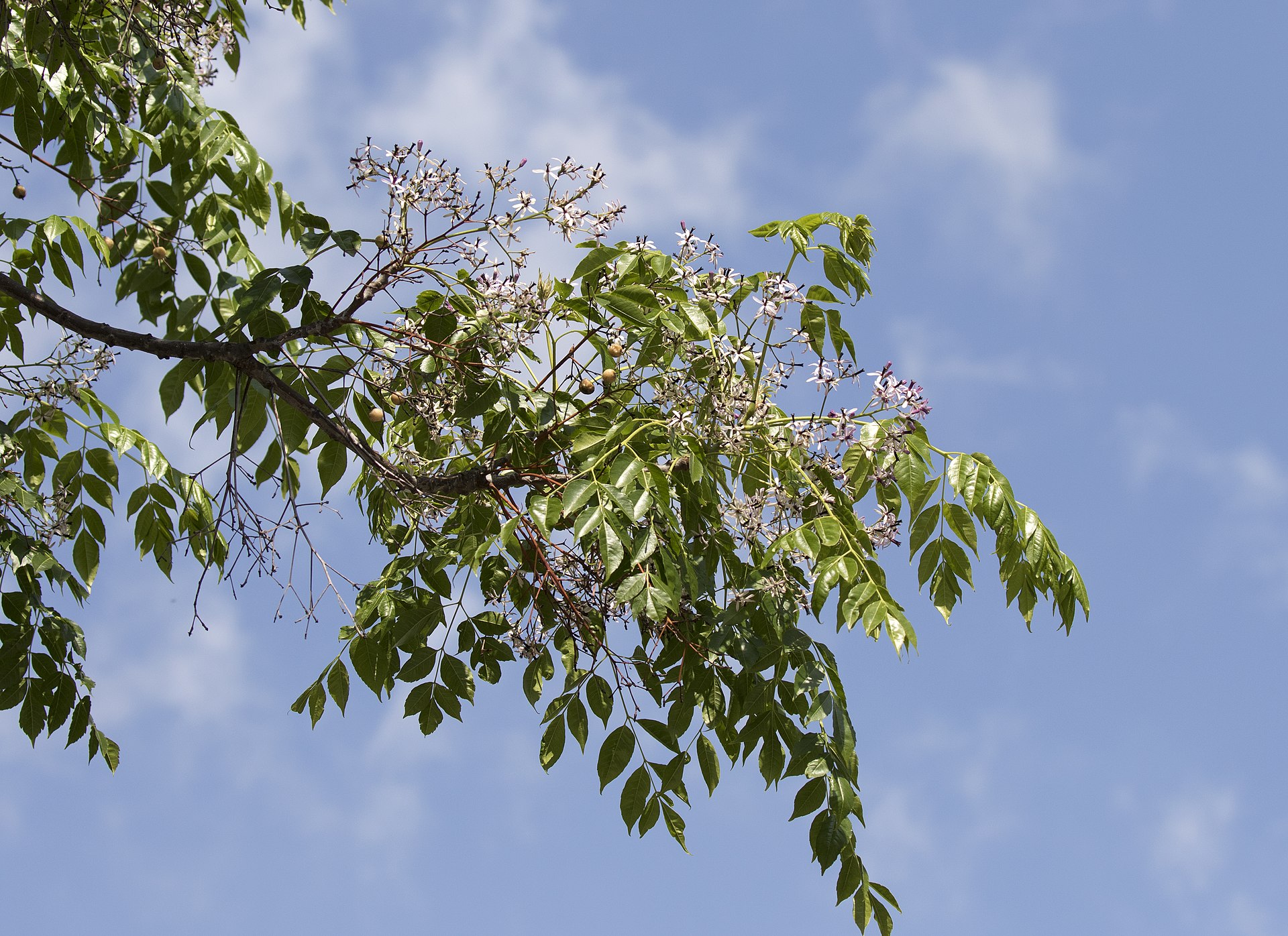
Melia azedarach

Also called Persian lilac or chinaberry. A fast-growing tree with clusters of fragrant lilac flowers and yellow berries that persist through winter. Widely planted for shade in the past, it now self-seeds aggressively via birds and forms dense thickets. All parts of the plant, especially the berries, are toxic if eaten. Listed nationally as Category 1b, but Category 3 inside urban areas. That is the listing that applies here: an established tree may be kept, but it may not be planted, sold or propagated.

Photo via Wikimedia Commons

Not sure how to remove a large invasive tree safely? A local tree felling or garden service can help: browse the directory. And if you're curious about the monkeys, mongooses and Pigeon Valley reserve just up the road, see our Local Wildlife guide.

πŸ“„ The full local guide, free to download

eThekwini Municipality's own General Invasive Alien Plant Control guideline covers every declared species in the city, how to recognise it, and the correct way to remove each one (a great deal more than the handful of common trees we've listed above). Written by the city's Environmental Planning & Climate Protection Department, and free to share.

πŸ“„ Download the guide (PDF, 2.4 MB)

About this site